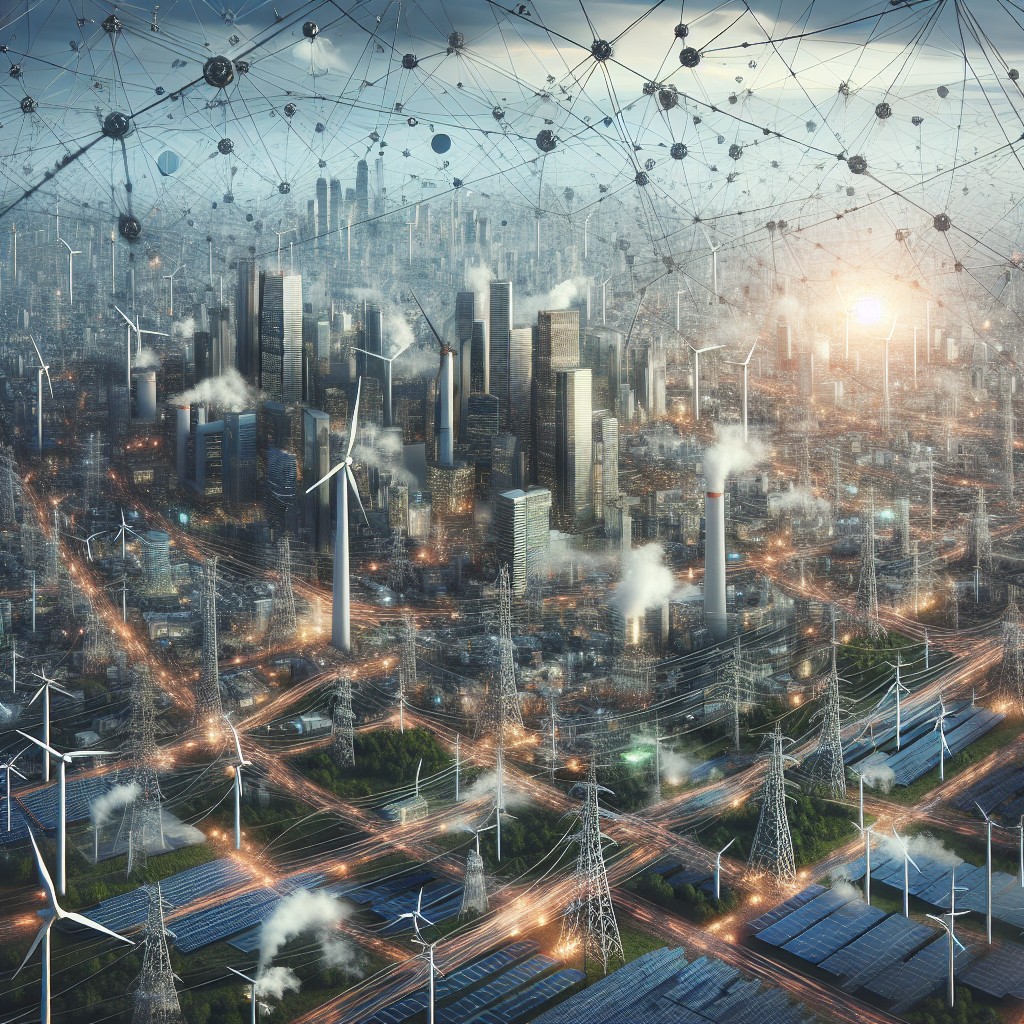
As the impacts of climate change become increasingly evident, a recent Climate Analysis conducted by a group of climatologists has raised alarms about the potential weather patterns we may witness in 2026. These predictions, based on current data and climate models, indicate significant shifts that could affect ecosystems, agriculture, and human activity worldwide.
Unprecedented Weather Events Highlighted
One of the most surprising findings from the Climate Analysis is the forecast of extreme weather events becoming more common. Experts predict that regions currently classified as temperate may begin to experience climate conditions akin to those found in tropical areas. This shift is expected to lead to increased occurrences of severe storms, flooding, and heatwaves across various continents.
Potential Agricultural Impacts
The disruption of weather patterns is likely to have severe repercussions on global agriculture. According to the Climate Analysis, farmers are expected to face challenges such as altered growing seasons, increased pest populations, and soil degradation. These factors could drastically impact food production, leading to food shortages in vulnerable regions. Analysts suggest that countries will need to adapt quickly to protect their agricultural sectors from these predicted changes.
Global Response and Mitigation Strategies
In response to the alarming findings from the Climate Analysis, international organizations are calling for immediate action. Governments and institutions are being urged to implement more robust climate policies, invest in renewable energy, and promote sustainable practices. The necessity for collaborative global initiatives has never been more critical, as the implications of inaction extend beyond national borders.
Conclusion
The insights provided by the recent Climate Analysis serve as a sobering reminder of the urgent need to address climate change. With only a few years until 2026, the window for action is narrowing. Experts emphasize the importance of collective efforts in mitigating the predicted impacts and protecting the planet for future generations.
Frequently Asked Questions about Climate Analysis
What does the latest Climate Analysis indicate for 2026?
The latest Climate Analysis suggests significant and alarming weather pattern changes, including the increased frequency of extreme weather events across various regions.
How reliable are the predictions in climate analyses?
Predictions in climate analyses are based on advanced climate models and historical data, making them a reliable source for understanding future climate scenarios.
What are the potential impacts of the Climate Analysis on agriculture?
The Climate Analysis indicates that agriculture may suffer from altered growing seasons, increased pest populations, and soil degradation, significantly affecting food production.
What actions are suggested by the Climate Analysis for mitigating climate impacts?
The Climate Analysis calls for immediate action, including implementing more robust climate policies and investing in renewable energy to mitigate the impacts of climate change.
Why is Climate Analysis important for global policy-making?
Climate Analysis is crucial for global policy-making as it provides essential data and projections that help shape effective climate strategies and interventions.