As artificial intelligence continues to evolve at a rapid pace, its influence on daily life is becoming increasingly evident. By 2026, certain AI trends are expected to reshape various sectors, impacting how we interact, work, and live. This report outlines the key AI trends poised to dominate our daily activities and the implications they may bring.
Integration of AI in Home Automation
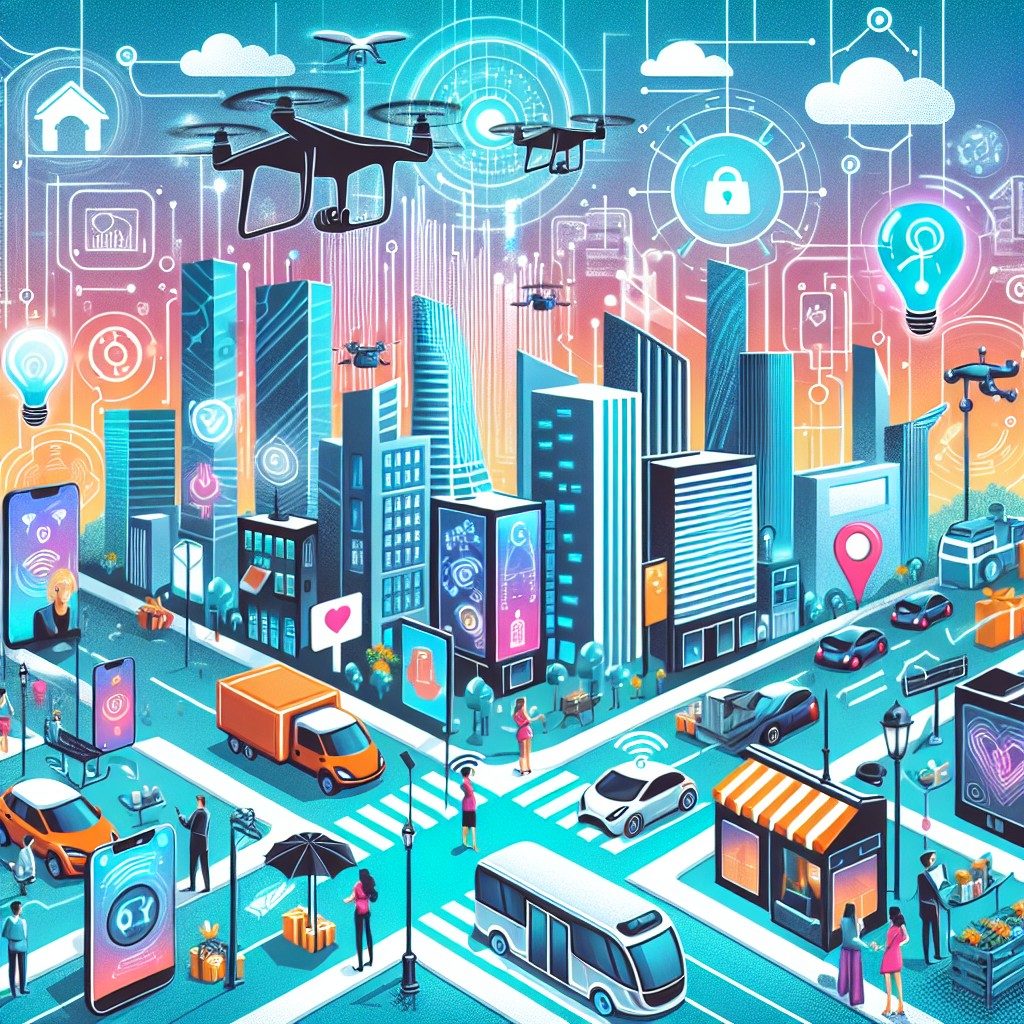
One of the most significant AI trends anticipated for 2026 is the enhanced integration of AI technology in smart home devices. Everyday appliances are becoming increasingly interconnected, allowing users to control them via voice commands or mobile applications. Advanced AI algorithms are facilitating smarter home management systems that learn user preferences to optimize energy consumption, enhance safety, and improve convenience. For instance, smart thermostats can adjust settings based on historical data and real-time weather forecasts, providing energy savings while maintaining comfort.
AI in Healthcare and Personalized Medicine
Healthcare is set to experience transformative changes due to the application of AI. Predictive analytics powered by AI is emerging as a vital tool in patient care, offering personalized treatment plans based on individual genetic profiles and medical histories. By 2026, these AI trends are expected to result in more accurate diagnoses and tailored therapies, enhancing patient outcomes and potentially reducing the burden on healthcare providers. Furthermore, AI is becoming increasingly effective in managing operational efficiencies in hospitals, facilitating better resource allocation, and improving administrative tasks.
AI and Workplace Transformation
As businesses increasingly adopt AI-driven tools, the workplace is undergoing a significant transformation. In 2026, we can expect an expansion in the use of AI for tasks such as data analysis, customer service, and employee training. AI chatbots and virtual assistants are simplifying client interactions, providing immediate responses, and handling complex queries efficiently. Additionally, machine learning can analyze employee performance data to offer insights for personal development, leading to a more engaged workforce. These AI trends indicate a future where employees can focus on more strategic responsibilities rather than administrating routine tasks.
Conclusion
In summary, the landscape of daily life is poised for significant changes due to emerging AI trends by 2026. The integration of AI in home automation, personalized healthcare solutions, and enhanced workplace efficiency will redefine interactions and operations across sectors. As technological advancements continue, society must also navigate the accompanying ethical considerations and potential challenges posed by such developments. Awareness and adaptability will be crucial as we move towards a future increasingly influenced by artificial intelligence.
Frequently Asked Questions about AI Trends
What are the most impactful AI trends expected by 2026?
By 2026, AI trends such as smart home integration, personalized healthcare, and workplace automation are expected to have a significant impact on daily life.
How will AI trends affect healthcare by 2026?
AI trends in healthcare include predictive analytics for personalized treatment plans, leading to improved patient outcomes and operational efficiency in healthcare facilities.
Can AI trends improve workplace efficiency?
Yes, AI trends are enhancing workplace efficiency by automating routine tasks such as data analysis and customer service, allowing employees to focus on higher-level strategic initiatives.
What role will smart home technology play in AI trends?
Smart home technology, driven by AI trends, will enable interconnected devices that optimize home management through learning user preferences and enhancing energy efficiency.
How can businesses adapt to AI trends by 2026?
Businesses can adapt to AI trends by investing in training for employees, adopting AI-driven tools for efficiency, and staying informed on the evolving applications of artificial intelligence.